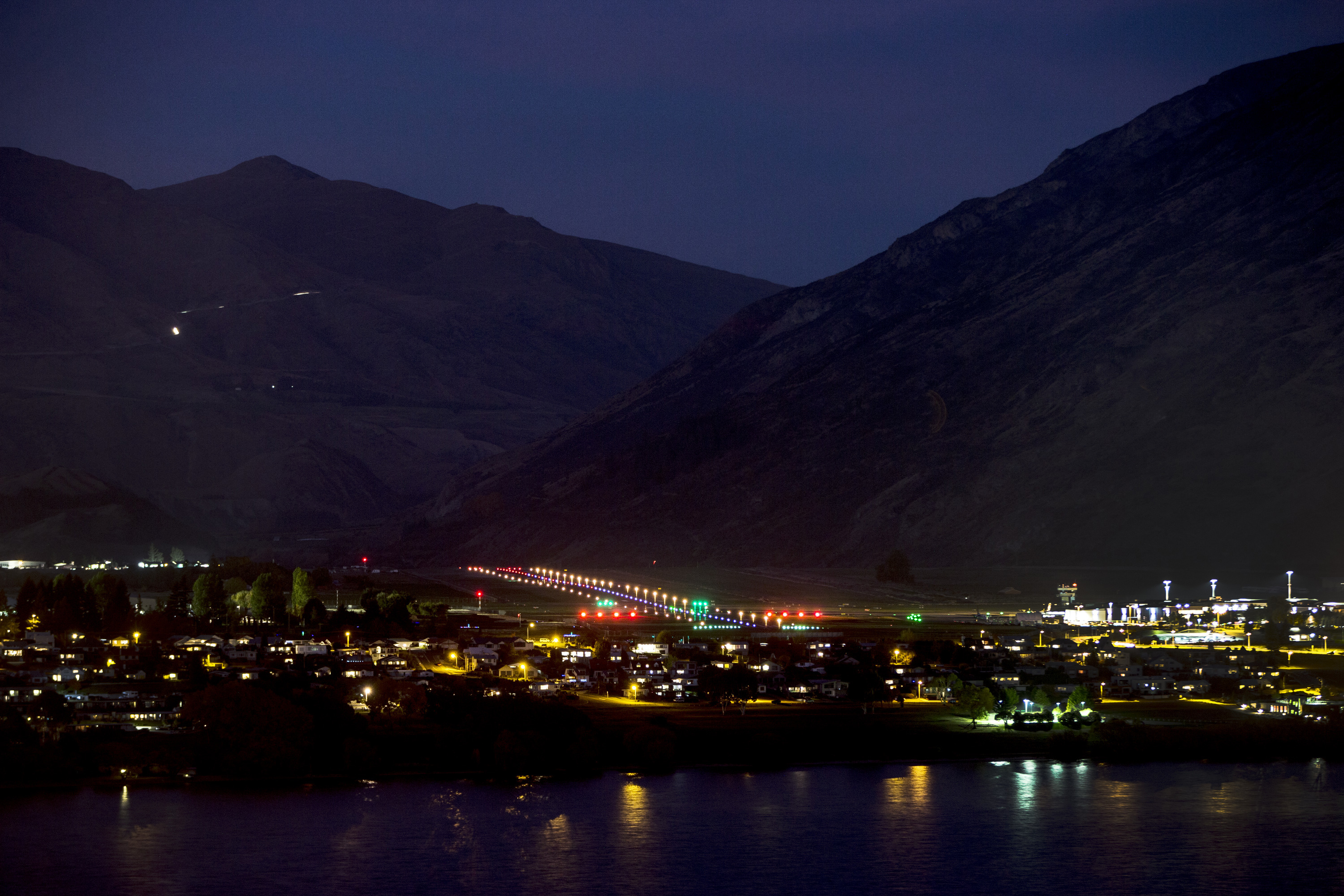
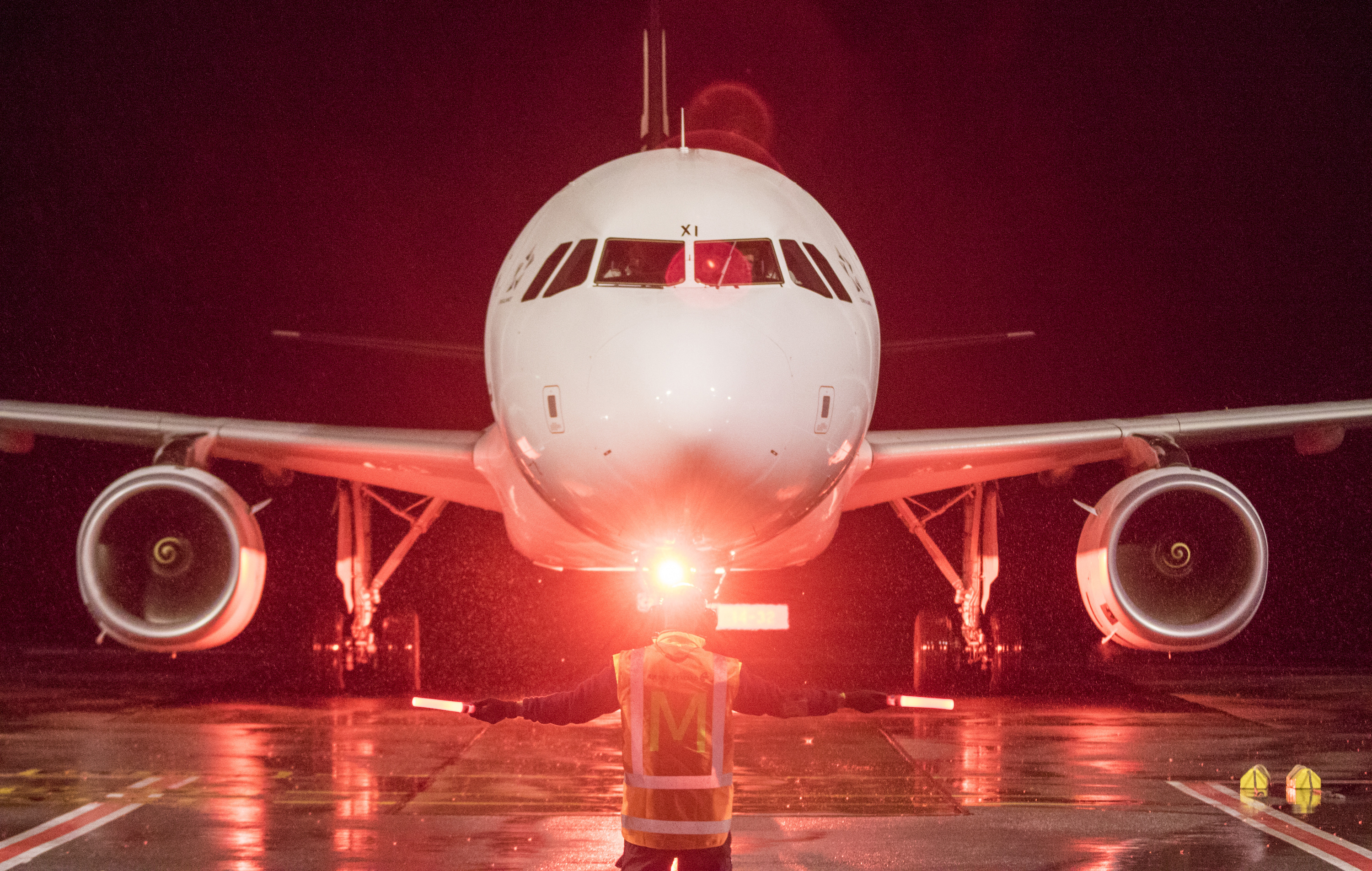
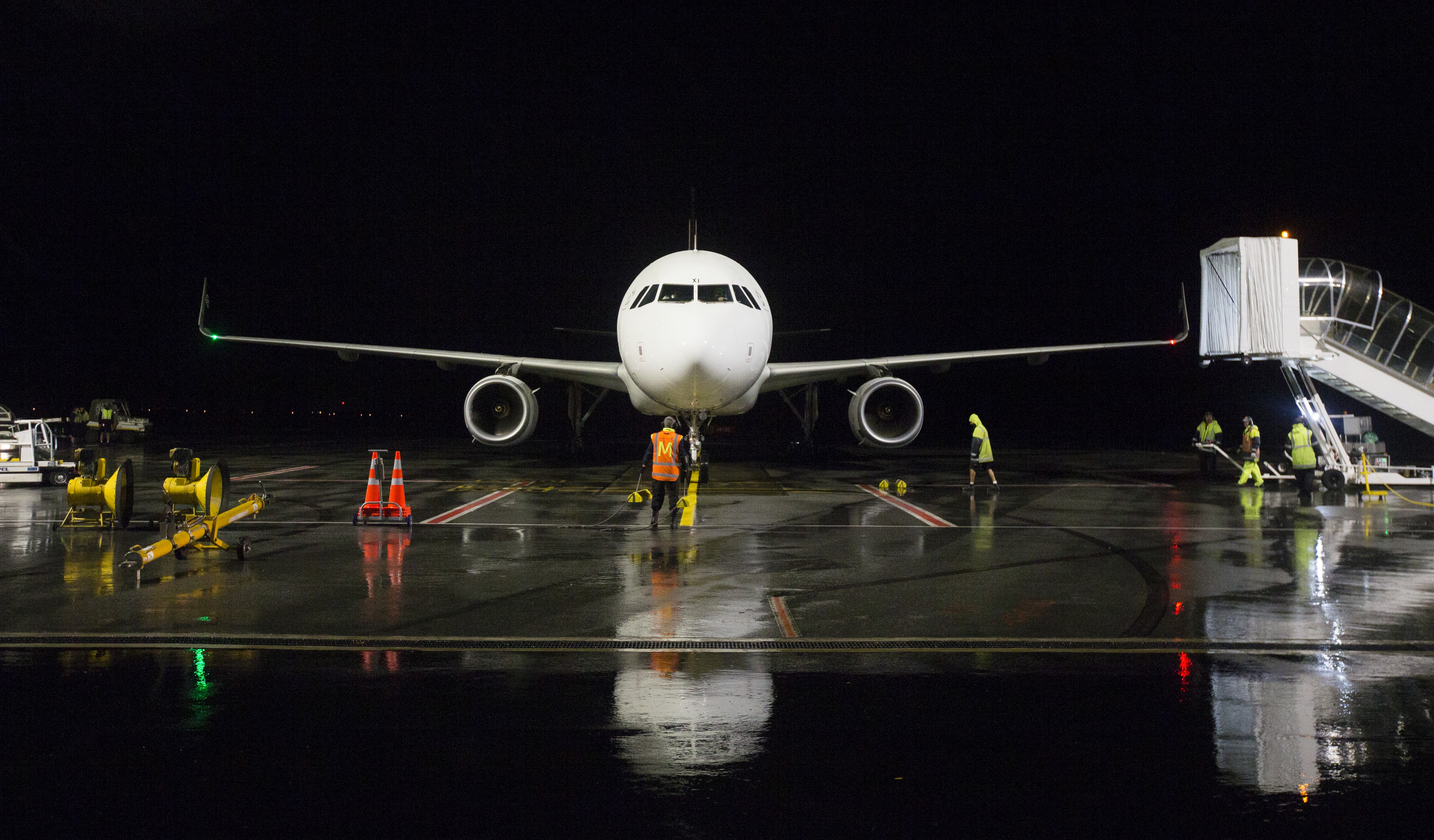
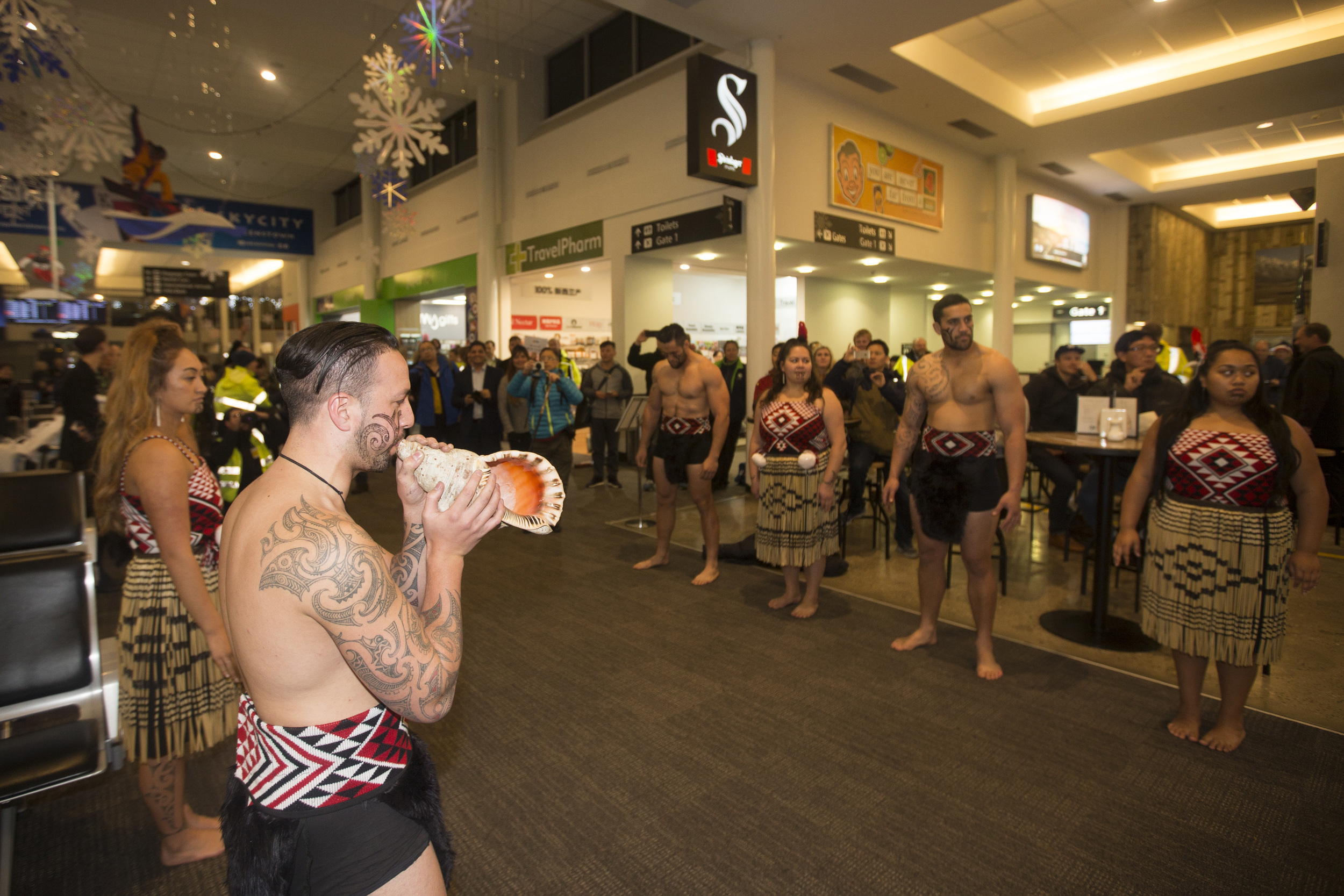
Tens of thousands of people fly into Queenstown after dark each year, but it might come as a surprise that this has only been possible for a decade.
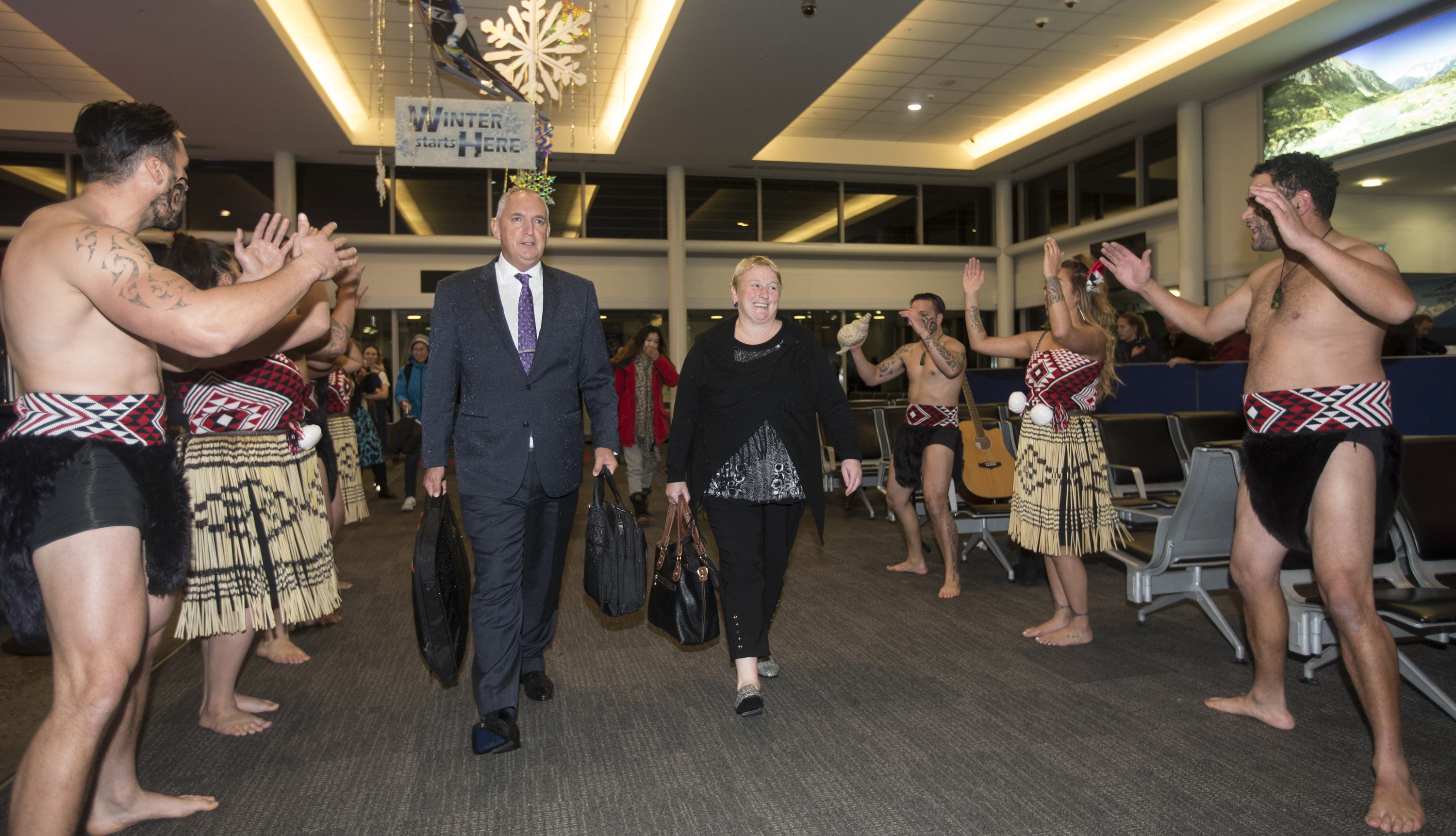
The first commercial evening flight touched down just after 7.20pm on 23 May 2016. The arrival of Air New Zealand flight NZ613 from Auckland wasn’t just another landing – it was the culmination of years of planning, collaboration, innovation, and investment in infrastructure.
It was also a gamechanger for both residents and visitors alike. Suddenly, a weekend getaway became much easier. Travellers could arrive on a Friday evening, make the most of Queenstown’s mountains, lakes and hospitality, and fly home late on Sunday. It created more convenient options for locals travelling for both business and leisure.
Extending the operating day gave airlines greater flexibility in scheduling. It allowed them to spread out arrivals and departures, and to increase capacity during peak seasons – particularly winter.
After-dark flights are now routine at Queenstown Airport, but their impact has been immense. Over the past decade, they have strengthened this region’s connectivity, supported local business, and been a significant contributor to the growth of New Zealand tourism.
This financial year, we will record more than a million trans-Tasman passenger movements for the first time – a milestone that wouldn’t have been possible without the introduction of night flights.
What it took to achieve after-dark flights
After-dark flights for Queenstown were first mooted in 2002 and revisited several times over the following years after Required Navigational Performance (RNP) technology was introduced.
In 2012, QAC formed a working group of technical and operational experts with experience of RNP and Queenstown-specific flight operations to prepare a Foundation Safety Case. The working group included representatives from Queenstown Airport, Airways New Zealand, Air New Zealand, Jetstar and Qantas, and was facilitated by risk management experts from Navigatus Consulting.
The resulting Safety Case – approved by both New Zealand's Civil Aviation Authority and Australia's Civil Aviation Safety Authority in 2014 – required 67 infrastructure and operational enhancements, including:
- Queenstown Airport widening its runway from 30 metres to 45m
- Airways New Zealand installing a comprehensive aeronautical lighting package (including runway, taxiway, and apron lights)
- airlines implementing a bespoke crew selection and training package
- employing the full capability of the existing RMP technology.
- changes to on-board flight procedures to reduce pilot workload on final approach.